Short answer
Lazy Bear Games denies using generative AI in Graveyard Keeper 2. Co-founder and CTO Slava Cherkasov responded to accusations with "we're not using the AI in Graveyard Keeper 2", saying around eight artists handle the art. As of September 20, 2026 the Steam page shows no AI content disclosure section.
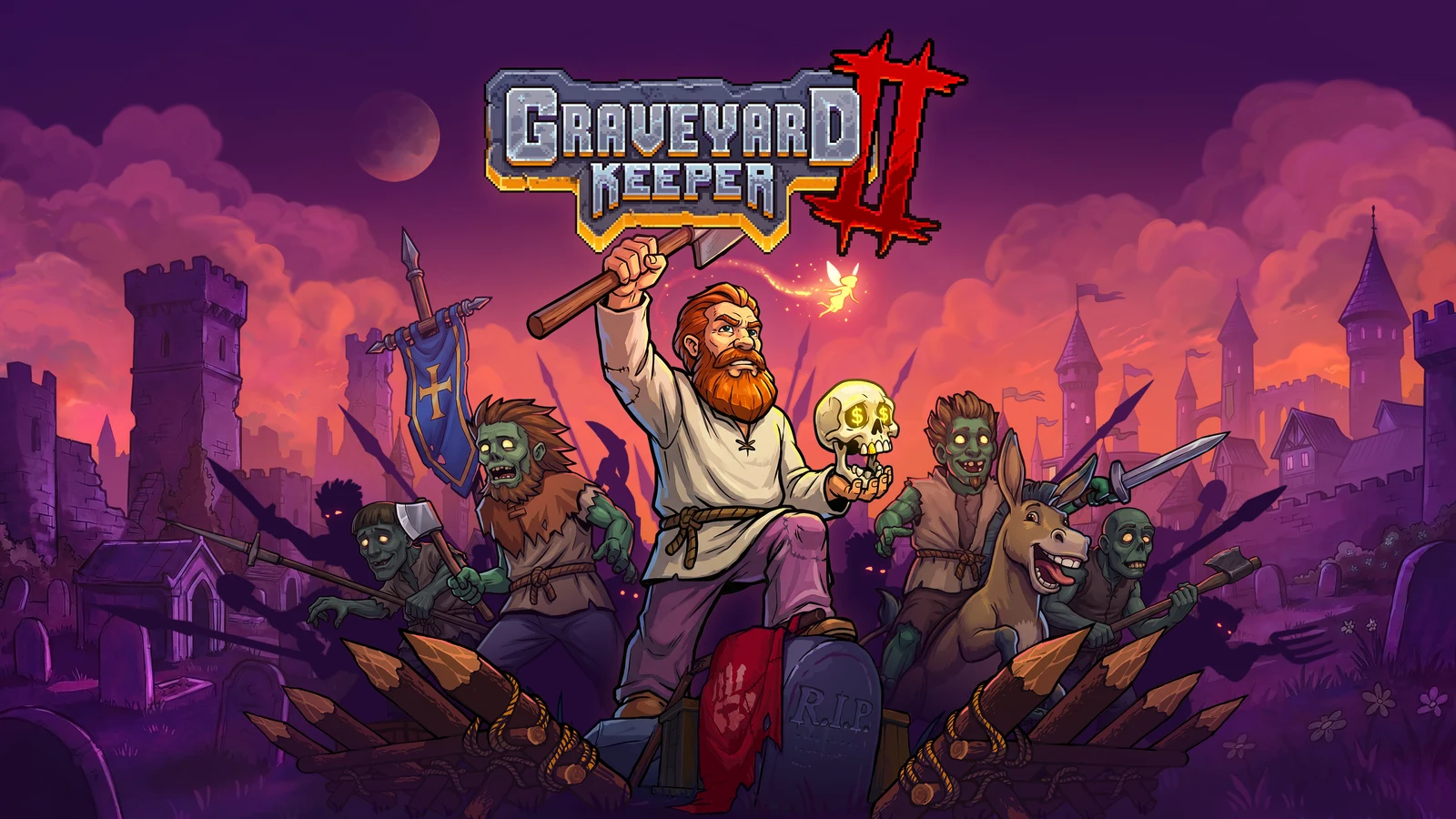
Graveyard Keeper 2 promotional artwork
View full-size image ↗Official promotional artwork · © Lazy Bear Games / tinyBuild · Official media kit · Material credits
How the row started
When the sequel was announced, players scrutinised the promotional key art and pointed to what they saw as hallmarks of AI-generated images.
The reaction spread across social media quickly, and the discussion moved onto the game's own Steam forum.
The accusation was always about the marketing art specifically, not about the in-game assets.
Why suspicion focused on this studio
Lazy Bear's co-founder and CTO, Slava Cherkasov, has frequently posted pro-AI content on X.
In March 2025 he shared images he had created with AI, some of them inspired by Graveyard Keeper, which players later pointed to as context.
That personal history is what turned a visual argument into a credibility argument.
The developer's response
Cherkasov replied directly: "You may not believe me, but we're not using the AI in Graveyard Keeper 2. Yes, I'm experimenting with every AI model I can find. This is what every tech guy should do now."
He drew a line between his personal experiments and the game: "I'm constantly creating some small experimental projects that are not shared with the audience and have nothing to do with Graveyard Keeper."
On the art specifically he said: "I'm not doing the art—we have about 8 artists for that... I'm just a tech guy that is experimenting with the tech to understand what it can do."
What Steam's disclosure rules add
Valve requires developers to disclose generative AI use in their games before release, and undisclosed use can carry consequences for the store listing.
That makes the store page itself a piece of evidence rather than just marketing.
Checked directly on September 20, 2026, the Graveyard Keeper 2 store page displays no AI Generated Content Disclosure section — the block that appears when a developer declares such use.
Why the art looks different at all
There is a documented, non-AI reason the sequel looks unlike the original: the team changed its rendering approach.
In their art devlog they explain that the first game was stylised pixel art with tricks like dynamic shadows and volumetric lighting, and that its tech tree was constrained by 2D limitations.
For the sequel they decided not to hold back and built everything in 3D, which they describe as a significant technical challenge.
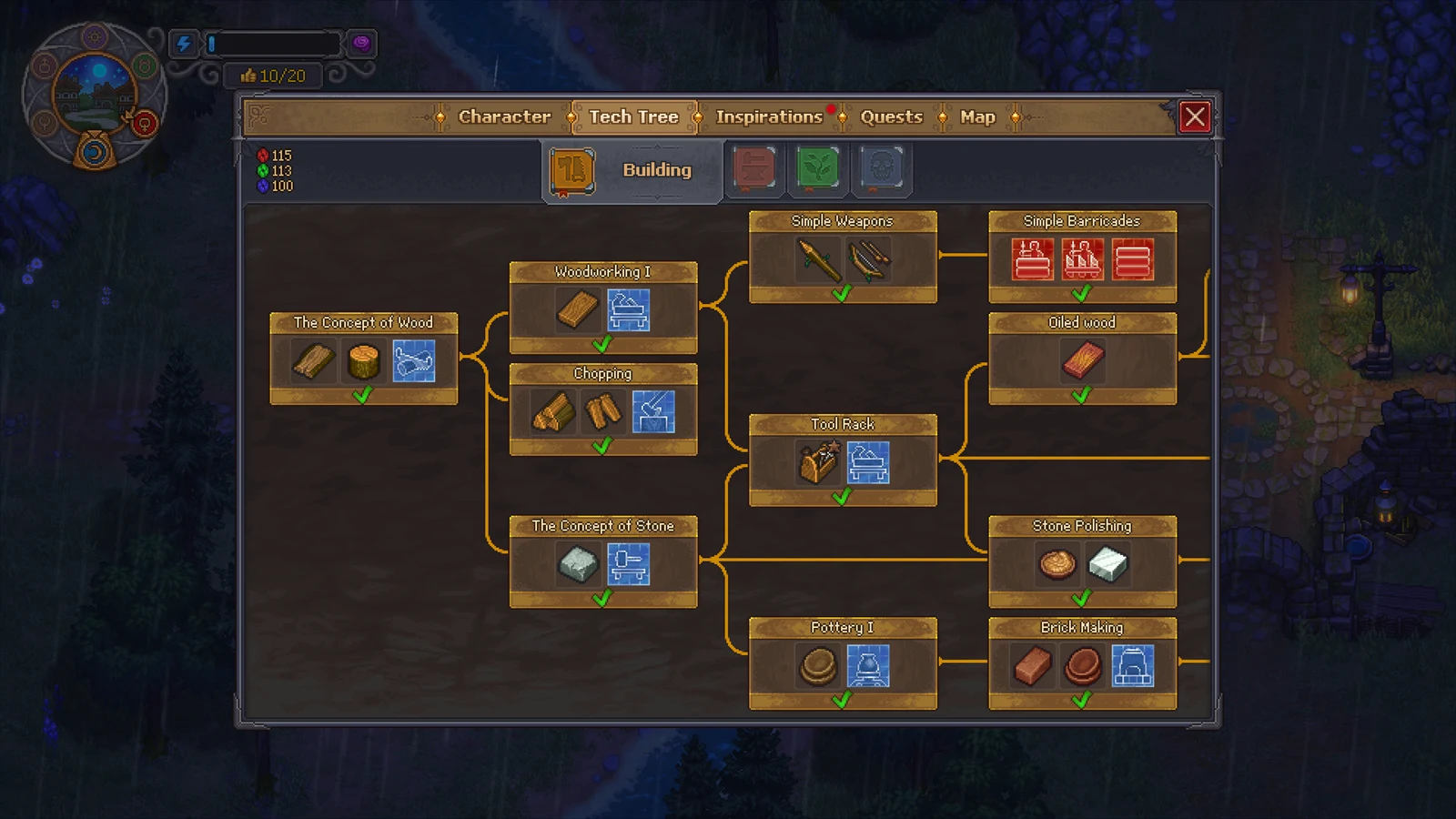
Compare the in-game interface in this official screenshot with the separate promotional key art above. Visual style alone does not establish how either was made.
View full-size image ↗Official promotional screenshot · © Lazy Bear Games / tinyBuild · Official media kit · Material credits
Where this stands today
The situation is a denial from the studio plus the absence of a disclosure on the storefront, weighed against community suspicion about specific artwork.
No independent verification of either position has been published, so anyone claiming proof in either direction is overstating the evidence.
If Valve's disclosure appears later, or the studio issues a fuller statement, that is what would change the picture — and this page will be updated if it does.
What is verifiable and what is not
Verifiable: the studio publicly denied using generative AI in the game, and the Steam page shows no AI disclosure section.
Verifiable: the CTO has posted AI-generated images personally, including work inspired by Graveyard Keeper in March 2025.
Not verifiable: whether any specific piece of promotional art was or was not machine-generated.
This page reports the first two and declines to assert the third, because no published evidence settles it.
Why the key art drew attention
The sequel's visual identity shifted noticeably from the original's pixel-art look, which primed players to scrutinise it.
The developers attribute that shift to rebuilding the game in 3D rather than continuing with 2D techniques.
They describe the 2D pipeline as having constrained their tech tree, and the 3D move as a deliberate technical challenge.
That explanation covers the in-game art specifically; the dispute has always centred on marketing images.
What this means if you are deciding whether to buy
Nothing in the dispute changes the game's mechanics, which are documented across the developers' own devlogs.
If AI disclosure matters to you, the store page is the place to check, since Valve requires it when applicable.
The free demo also lets you look at the actual in-game art yourself before paying.
This page will be updated if either the disclosure or the studio's position changes.
How the studio talks about its art team
In his response, Cherkasov said he is not the one making art and that the studio has around eight artists for that.
He framed his own AI use as technical experimentation separate from the game's production.
The art devlog supports the picture of a dedicated art effort, describing the challenges of moving from 2D pixel art to a 3D world.
That devlog predates the launch build and goes into the lighting and rendering decisions behind the new look.
Why players care about this question
For many buyers, disclosed AI use is a purchasing factor, which is why Valve requires it to be stated.
It is also a trust question for a sequel to a beloved indie game with a strong hand-made visual identity.
The original's pixel art is part of what people remember about it, so changes to that identity invite scrutiny.
That is why a visual argument escalated into a broader conversation about the studio's direction.
What would change the answer
An AI Generated Content Disclosure appearing on the Steam page would be the clearest possible update.
A fuller statement from the studio naming which assets were made how would be the next best thing.
Independent technical analysis published by a credible outlet could also move the discussion.
Absent any of those, the record stands at a denial plus an absent disclosure, and this page says exactly that.