Short answer
Your first two zombie workers come from the Plague Doctor beneath your house — follow the main story to the locked hatch, clear the junk and talk to him. Build a Zombie Supplier Station to assign them, and equip each zombie with a tool first, because a zombie with 0 Work Mastery will not do anything at a workstation.
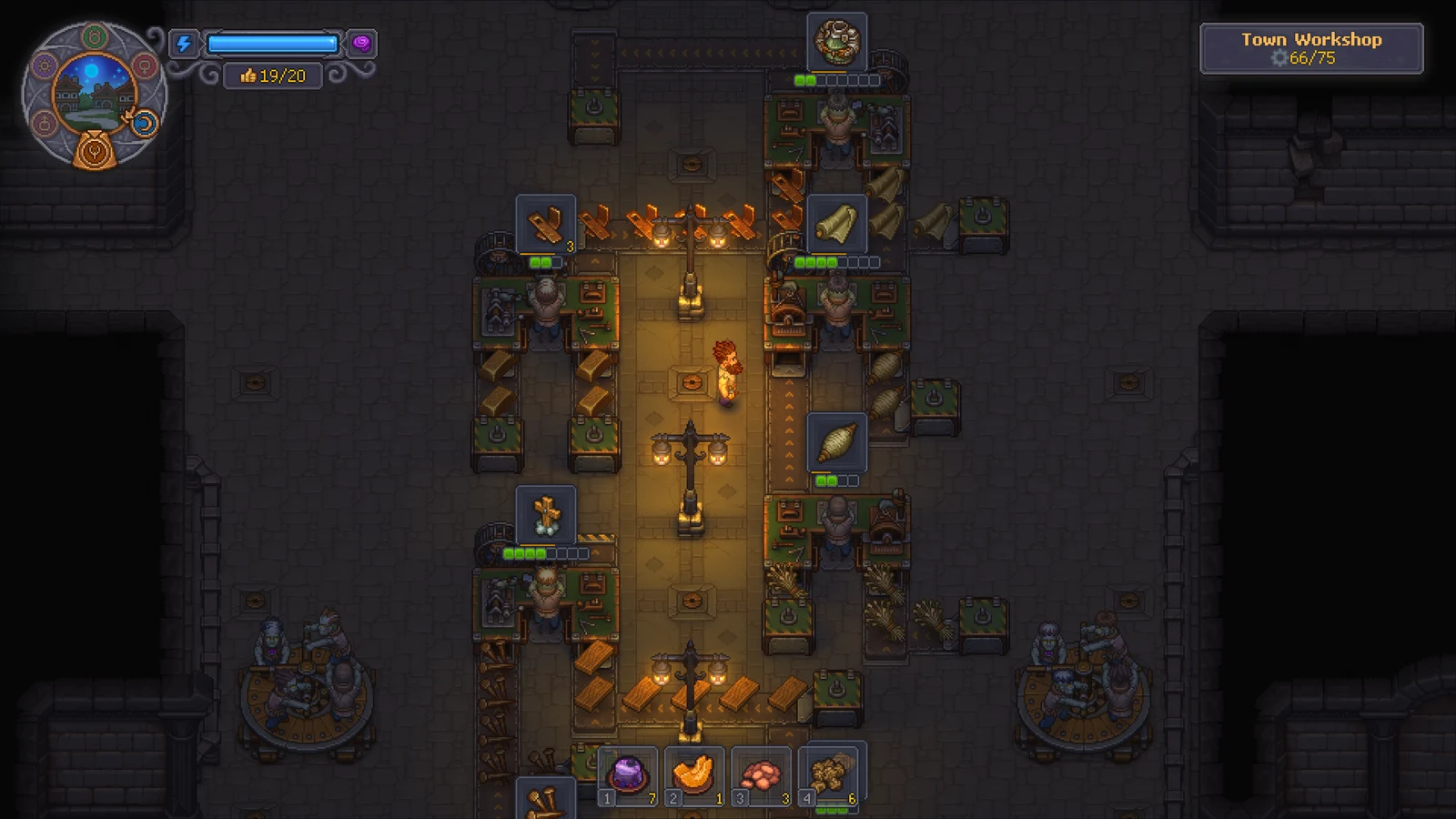
The Town workshop
View full-size image ↗Official promotional screenshot · © Lazy Bear Games / tinyBuild · Official media kit · Material credits
Getting your first zombies
The game gives you two worker zombies through the main questline rather than through a crafting recipe.
Keep playing until you get the quest about a locked hatch inside your house. Open it, clear the junk below and speak to the Plague Doctor.
This is the single most missable thing in the opening, and it is inside the demo's scope, so you can have zombies before the full game even launches.
Work Mastery is the whole mechanic
Placing a zombie at a workstation does nothing if its Work Mastery is 0 — it will stand there without moving.
Mastery comes from equipment: hand the zombie a tool or weapon and its Mastery rises. An early axe grants +2 Mastery, which is enough to turn some unavailable jobs into valid assignments.
So the order is always: build the Zombie Supplier Station, equip the zombie, then assign it to a bench.
Making more workers
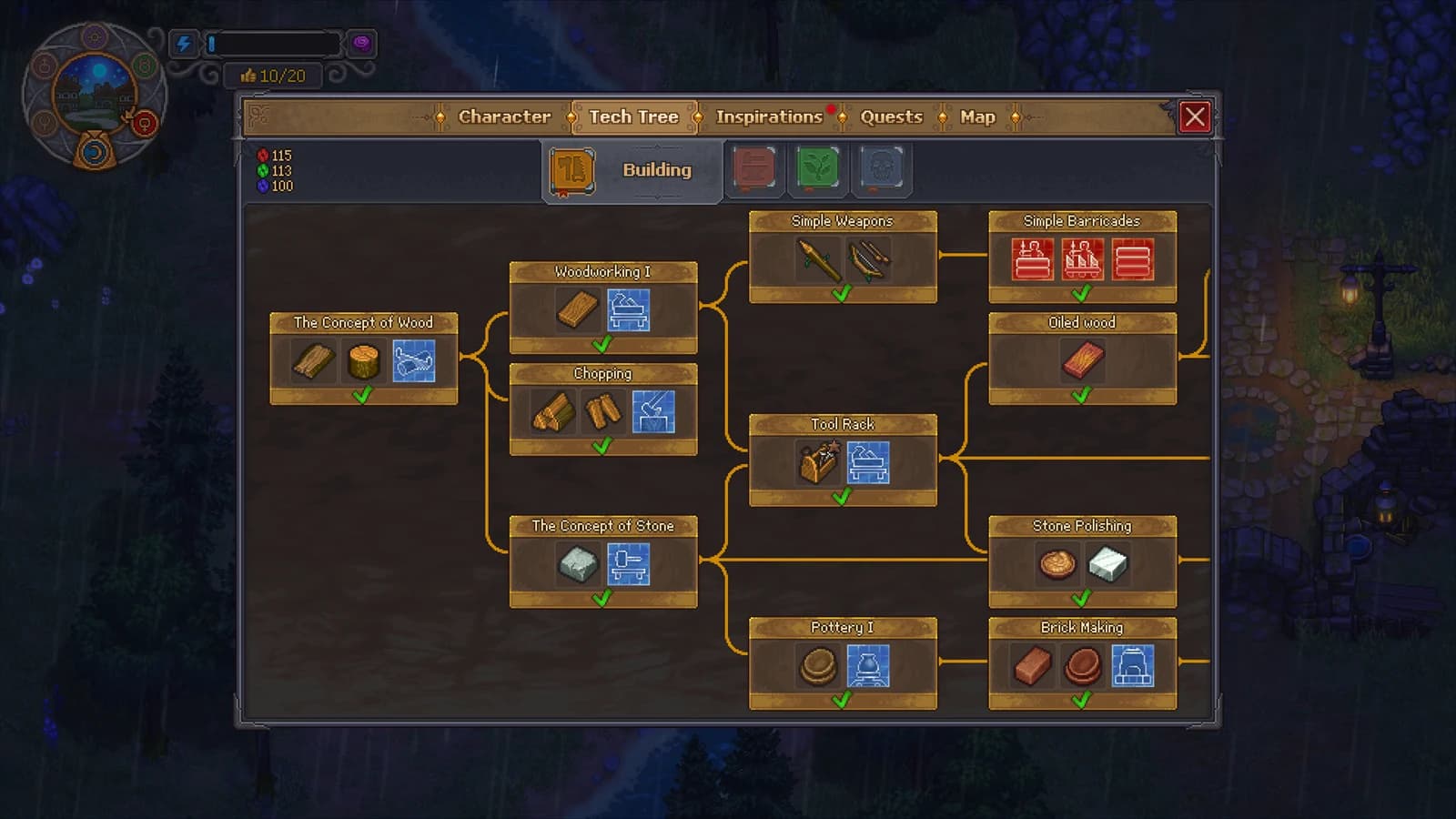
To go beyond your starting pair you need the Reanimation perk from the Anatomy and Alchemy branch of the tech tree.
With the perk unlocked, you also need a dedicated underground room built for producing new zombie workers.
That is a meaningful investment, which is why the two story zombies should be put to work rather than parked while you save points.
Red skulls are now good
The first game trained players to chase white skulls. The sequel inverts that for zombies: the more corrupted a zombie is — the more red skulls — the better the skills it can develop.
The developers explain that the most corrupted zombies come from sinners, and that making townsfolk's lives more comfortable secures a steady flow of them.
If a body is not corrupt enough, you can transplant the most corrupted parts from different corpses and finish the job with corruption embalming.
Beyond workbenches: factories and squads
Zombies no longer just use ordinary workbenches. They can operate semi-automatic machines in underground factories, provided minimum working conditions are met.
Reviewers of the launch build describe full assembly lines with machines and conveyor belts that zombies staff, enabling more automatic and complex production than the original allowed.
Zombies also earn their own tech points and perks, with the ceiling set by the red-skull level of the corpse they were raised from.
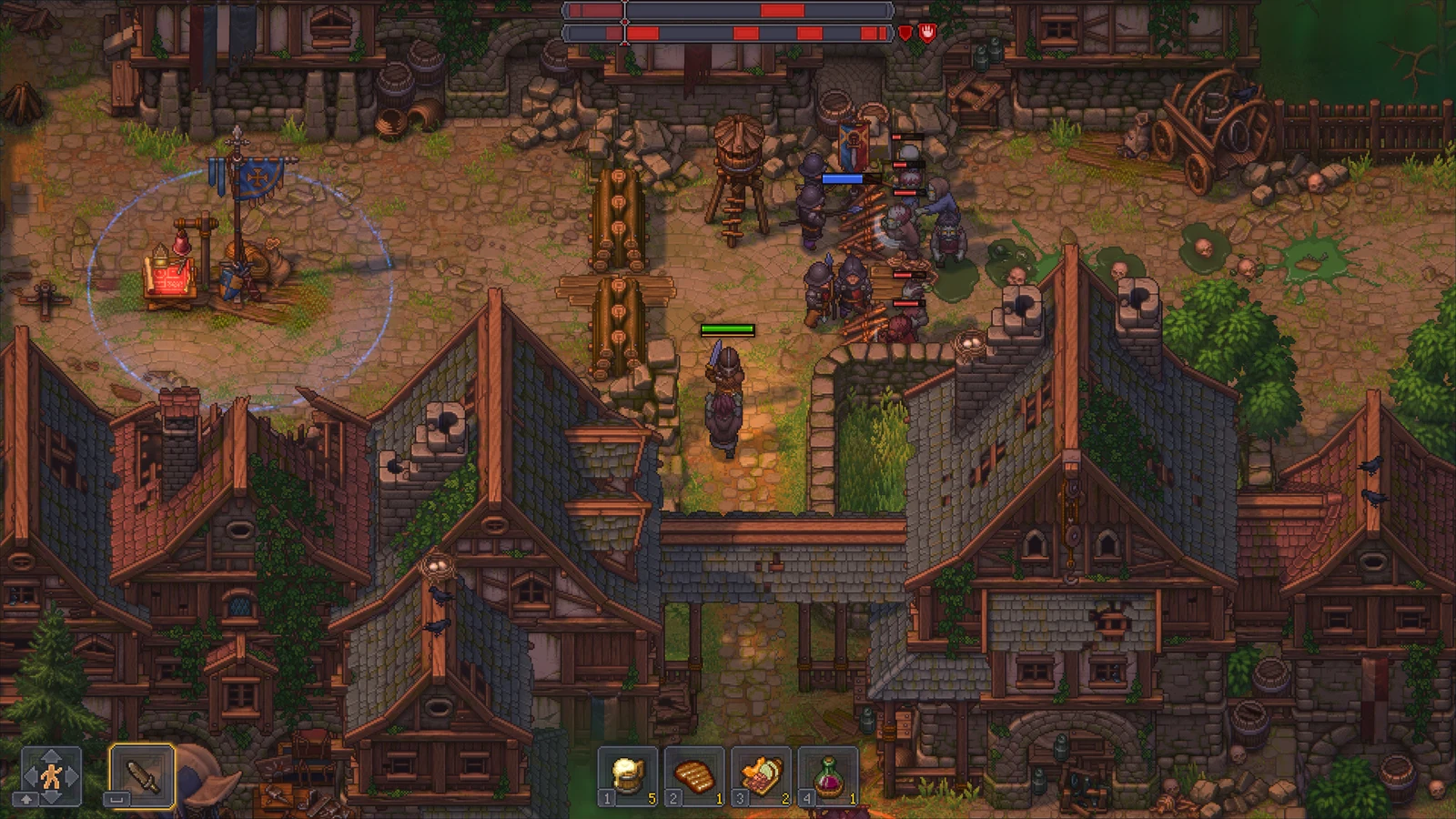
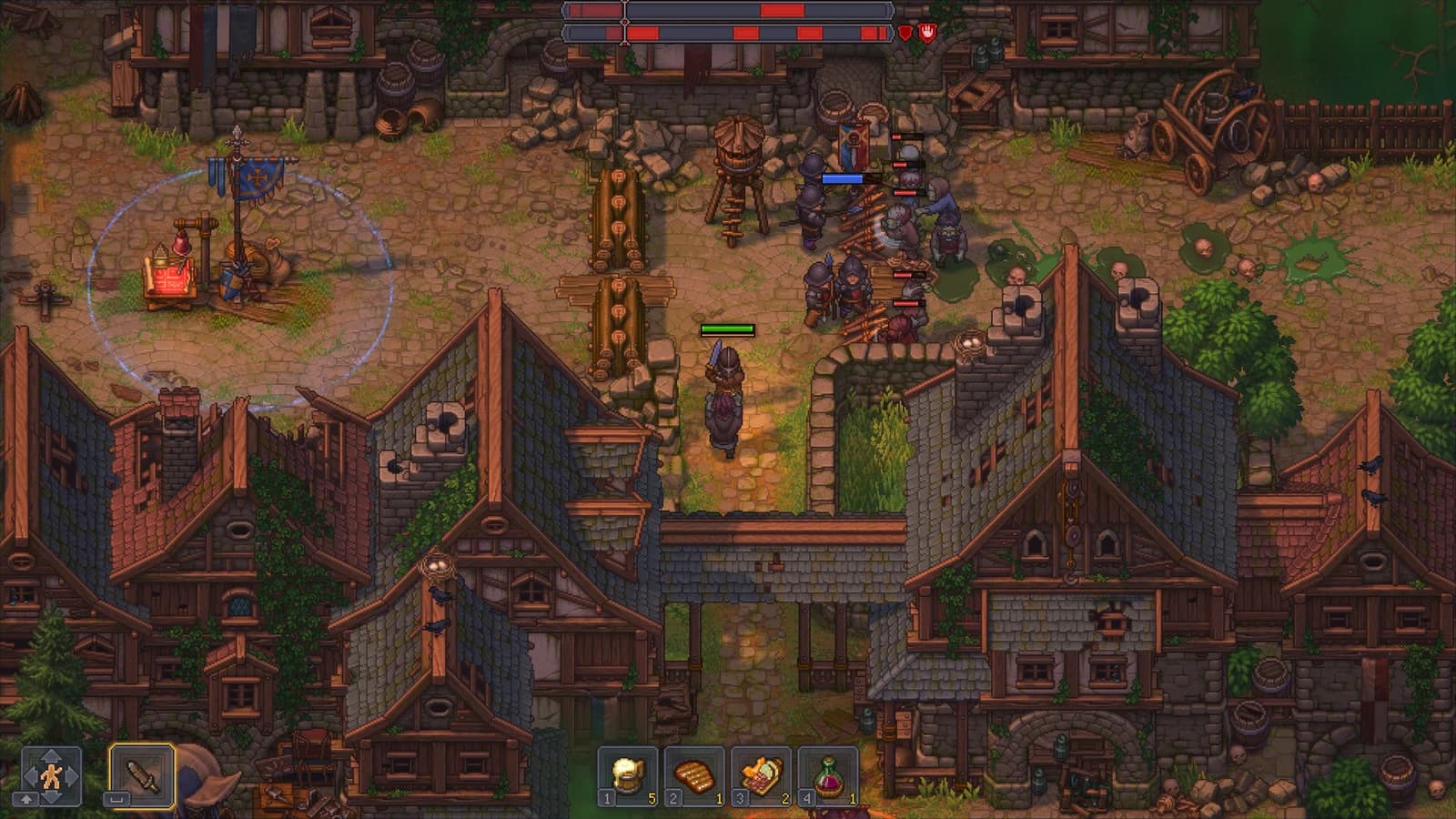
Official footage imagery also shows combat units in the Town. Worker automation and army management are separate roles discussed in this guide.
View full-size image ↗Official promotional screenshot · © Lazy Bear Games / tinyBuild · Official media kit · Material credits
Your zombies versus the hostile ones
There are two kinds of zombie in the game. The ones terrorising The Town are dark beings created from corrupted townsfolk.
Yours are made deliberately, and the developers joke that each comes with a special mark identifying it as a Possession-Free Zombie.
Once equipped with weapons and armour, your zombies become your army for the battles that reclaim the city.
A step-by-step setup
Follow the main story until the quest about the locked hatch in your house appears, then open it and clear the junk.
Speak to the Plague Doctor below to receive your first two workers.
Build the Zombie Supplier Station from the workbench, which is where a zombie is assigned and prepared for work.
Equip each zombie with a tool or weapon before assigning it, otherwise the job list stays unavailable.
Choosing which corpses become workers
Corruption is now an asset. The more red skulls a body has, the better the skills the resulting zombie can develop.
The most corrupted zombies come from sinners, and the developers note that making townsfolk's lives more comfortable secures a steady flow of them.
If a body is not corrupt enough, you can move the most corrupted parts between corpses and finish with corruption embalming.
That sits in direct tension with graveyard rating, which rewards net white skulls — so you are constantly sorting bodies into two pipelines.
Scaling from two workers to a workforce
Producing more zombies requires the Reanimation perk from the Anatomy and Alchemy branch, plus a special underground room.
Because that is a real investment, the two story zombies should be working rather than idle while you save points.
Each zombie earns its own tech points and spends them on perks, so an early worker that has been employed for a while is more valuable than a fresh one.
The developers add that a zombie may even earn a name as a reward for ten years of loyal service.
What zombies free you up to do
Handing off gathering and crafting is the game's answer to repetitive work, and it is the only kind of help available since there is no multiplayer.
Fuel and ore are the obvious first assignments, because both feed the furnace chain that everything else depends on.
Underground factories and conveyor lines extend that from single benches to whole production chains.
The time you reclaim goes into the parts of the week that only you can do: sermons, battles and town rebuilding.
Two kinds of zombie, one word
The hostile zombies in the city are described as dark beings created from corrupted townsfolk through sinister curses.
Yours are deliberately made, and the developers joke that each carries a mark identifying it as a Possession-Free Zombie.
Functionally they sit on opposite sides of the game: one is your labour and your army, the other is the obstacle.
Across the whole campaign you will put a little over 4,000 of the hostile kind to rest.
From workers to soldiers
The same zombies you employ can be armed and taken to war once The Town battles open.
The developers state that zombies equipped with the finest weapons and armour are what fight the city's undead best.
In battle you position squads by moving their flags, or raise the banner and lead them yourself with a sword or bow.
That makes your metalworking line and your workforce two halves of the same military preparation.
Where zombies came from in this series
Zombies were introduced in the first DLC for the original game, once the developers realised the graveyard had more tasks than one keeper could handle.
There they were taught to help with jobs like quarrying stone, farming and alchemy.
The sequel expands that role rather than reinventing it, adding machines, specialisation and combat on top.
The developers frame it plainly: zombies do not ask for food or payment, so they gave them more to do.
Sources
- officialDevlog: Where Zombies Feel at Home (May 20, 2026)
- pressNetto's Game Room — Graveyard Keeper 2 Review
- pressItem Level Gaming — How to Get Zombies Working
- pressGamesHorizon — How To Get Zombies & Make Them Work
- videoRecreational Suffering — How to Get Zombies in the Demo
- videoWasting — How to Get Zombies Working